Moving To Uruguay
Why Choose Uruguay for Immigration
Economic Stability
Uruguay is one of the most stable countries in Latin America, making it an attractive destination for relocation. Can I move to Uruguay? This question is becoming increasingly common among those seeking a safe, prosperous, and welcoming country to start a new life. The country's economy has steady growth and low inflation rates. The GDP per capita is higher than in most neighboring countries, and the poverty level is one of the lowest in the region.
Uruguay is known for its progressive legislation and low level of corruption, creating a favorable environment for business. The country strives to attract foreign investors by offering them favorable business conditions and tax incentives.
High Standard of Living
Uruguay offers a high standard of living for its residents. The country has developed infrastructure, quality medical and educational services, and a low crime rate compared to other countries in the region. Uruguayans take pride in their social system, which ensures a decent quality of life for all citizens and residents.
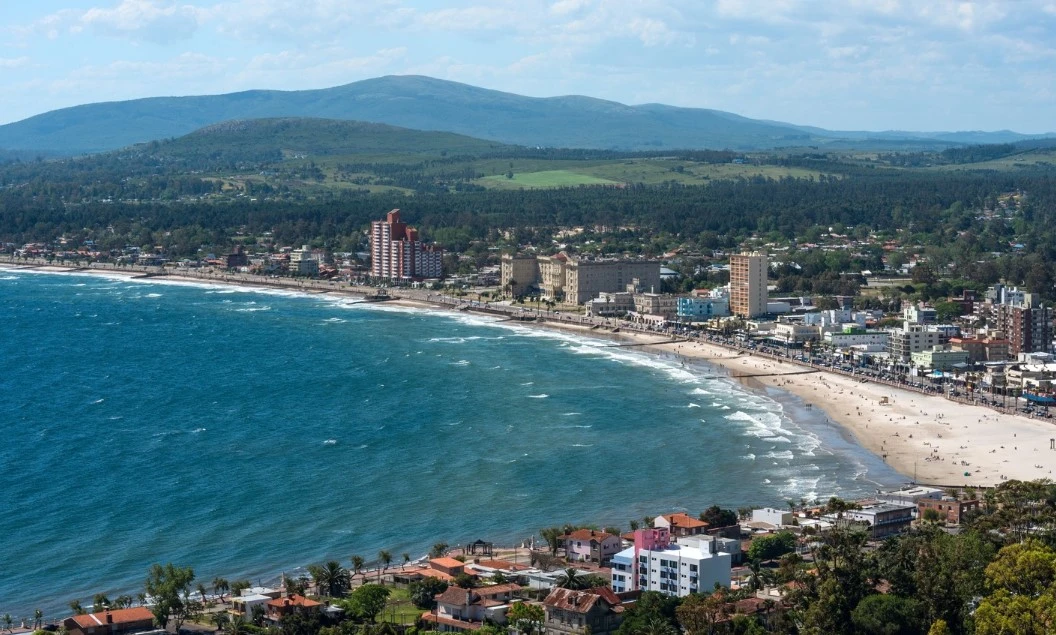
The capital city, Montevideo, is listed among the safest and most comfortable cities to live in Latin America. Punta del Este is a world-famous resort city. Here you will find everything you need for a comfortable life: from modern shopping centers and restaurants to beautiful parks and beaches. Many foreigners choose to relocate to Uruguay for these exact reasons.
Natural Beauty and Climate
Uruguay is famous for its picturesque landscapes and mild climate. The country is located on the Atlantic Ocean coast, making it an ideal place for beach lovers. There are many beautiful beaches here that attract tourists and locals year-round.
The climate in Uruguay is subtropical, with mild winters and warm summers. The average temperature in January (the warmest month) is about 25°C, and in July (the coldest month) it is about 12°C. Such weather variety creates comfortable conditions for living and vacationing in any season.
Friendly Immigration Policy
Uruguay is known for its open and friendly immigration policy. The government encourages the arrival of new residents and offers them a range of privileges and benefits. The process of obtaining a Uruguay residency permit is relatively simple and transparent, making the country attractive to immigrants from different parts of the world who wish to move to Uruguay.
Legal Residency Is Not the Same as Tax Residency
Getting approved as a legal resident of Uruguay does not automatically make you a tax resident — the two are assessed under different rules. Uruguay taxes mainly on where income is generated: where the work is physically performed or where an asset sits, not where the money is banked or wired.
This matters most if you plan to keep working remotely for a foreign employer or clients after you arrive. Once you become a tax resident, income earned while you are physically present in Uruguay is generally treated as Uruguay-sourced, even if the client and the paycheck are abroad. Foreign passive income, such as dividends or interest, can qualify for a separate multi-year regime, but the rules have been revised as recently as the current national budget cycle — confirm the details with a tax advisor at the point you actually qualify.
What Living in Uruguay Actually Costs
Uruguay is not a low-cost relocation. As a rough monthly guide for one person: a lean, local-style budget runs around USD 1,800–2,400; a comfortable baseline with some dining out runs USD 2,500–3,800; coastal or premium living in areas like Carrasco or Punta del Este in season can run USD 4,000 and up. None of this includes one-time costs — document legalisation, a rental deposit (often several months' rent in Montevideo), and either shipping or replacing furniture locally.
For the residency application itself, immigration typically expects proof of income in the region of USD 650 a month for a single applicant, more for a couple or family — that threshold covers eligibility, not comfort. Private healthcare through a mutualista typically costs from USD 60 a month, depending on the provider, your age, and your plan, plus small co-pays for each visit. The public system, ASSE, is free or near-free but comes with less choice.
The Health Insurance Gap Most Newcomers Miss
Entering Uruguay requires travel insurance that covers medical emergencies, and that policy has an end date. Enrolment in local healthcare, public or private, doesn't happen automatically on arrival; it happens once your residency file is far enough along, or once you actively sign up as a paying member. The gap between your travel policy expiring and your local coverage starting is exactly where people end up with an uninsured emergency. Treat local health enrolment as a first-week task, not a someday task.
What Actually Slows Down the Residency Process
The standard document set — a clean criminal record from your home country (and anywhere else you've lived in recent years), a birth certificate, proof of income, and a local health certificate — has to be apostilled and translated into Spanish before it's accepted. Several of these documents expire, so a certificate issued months before your appointment can already be too old by the time you file. Build your document timeline backward from your expected filing date, not forward from the day you happen to gather the paperwork.
Permanent residency approval now takes an average of six months when documents are submitted in full. During that window you can generally live, work and travel — with one exception: leaving Uruguay for more than six months while your application is pending can mean immigration asks for a fresh background certificate from wherever you were, which restarts part of the document cycle you already completed.
Immigration Support
How We Can Help
We offer support at all stages of immigration to Uruguay. Our team is ready to assist you in preparing documents, submitting applications, and adapting to the new country. We offer consultations on all issues related to the Uruguay immigration process.
If you are planning to move to Uruguay, our experienced team will guide you every step of the way.
Consultations and Immigration Services
Our experienced immigration consultants in Uruguay will help you prepare all required documents correctly, avoid common mistakes, and speed up your Uruguay residency application. We provide full support at every stage, from applying for permanent residence in Uruguay to obtaining Uruguay citizenship.
One Team for Residency, Relocation, Real Estate and Citizenship by Birth
Most relocation problems don't stay inside one category: a tax question touches your residency filing, an insurance question touches your moving timeline, a housing question touches your bank account. That's why our team handles moving to Uruguay across four connected areas: Uruguay residency (orientation, document preparation, filing, citizenship registration), relocation to Uruguay (housing, health insurance enrolment, bank account setup, driving licence exchange), real estate in Uruguay (renting, buying, property management), and support for families having a child in Uruguay, a path to Uruguayan citizenship for the child and, over time, the parents, which few relocation providers in Uruguay offer at all.
Success Stories of Our Clients
We take pride in the successes of our clients and are happy to share their stories with you. Many have already successfully moved to Uruguay and are enjoying their new life in this wonderful country. Our specialists have helped them overcome all difficulties and make the immigration process as comfortable and fast as possible.
Useful Tips and Recommendations
- Learn Spanish: Although many Uruguayans speak English, knowing Spanish will ease your integration into society and simplify the immigration process.
- Prepare all documents in advance: Gather and translate all necessary documents before submitting the application to avoid delays.
- Use professional help: Consultations with our specialists will help you avoid mistakes and expedite the immigration process.
- Time your documents backward, not forward: apostilles and police certificates expire — plan from your filing date, not from the day you happen to gather paperwork.
- Close the insurance gap before it opens: line up local health coverage before your travel policy runs out, not after.
- Check your tax exposure early: legal residency and tax residency are assessed separately — talk to a cross-border advisor before your first year-end, not after.
Immigration to Uruguay is a great opportunity to start a new life in one of the most stable and prosperous countries in Latin America. If you are planning to move to Uruguay, our support will make the relocation process easier and faster, allowing you to enjoy all the benefits of living in Uruguay.