Relocating to Uruguay: A Guide for Americans
Why Uruguay Keeps Showing Up on Americans' Shortlists
If you've been researching where to move abroad, you've probably noticed Uruguay coming up more often — and for good reason. It's politically stable, safe, and doesn't come with the culture shock some other Latin American countries do. Low corruption, a functioning legal system, and steady economic growth over the years make it one of the more predictable countries in the region to plan a life around.
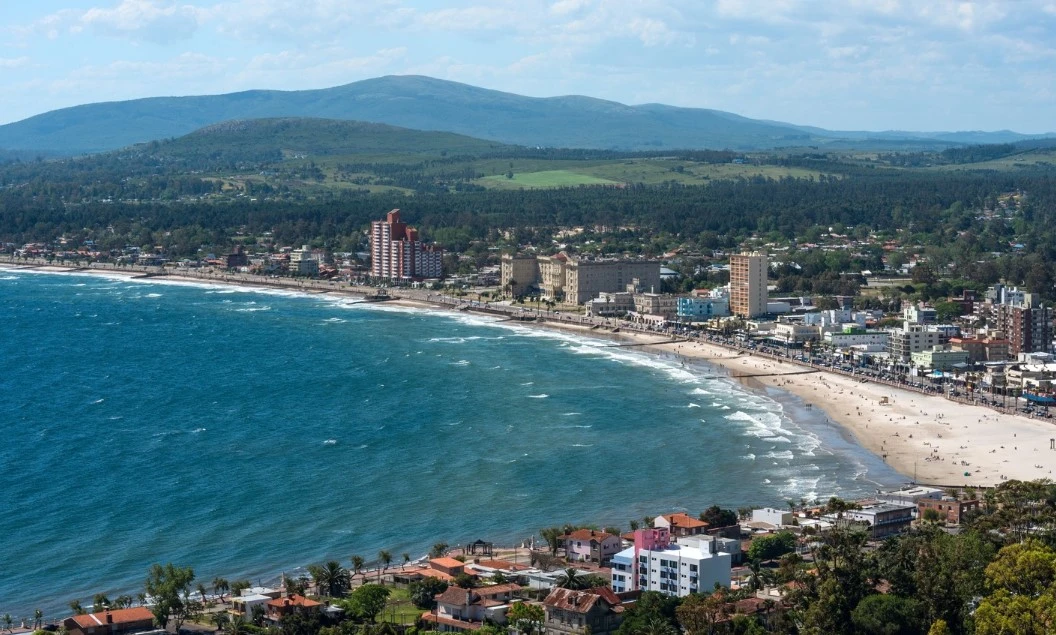
Montevideo consistently ranks among the safest capitals in Latin America. Punta del Este offers a different pace — closer to a South Beach or Hamptons feel, at a fraction of the cost. Between the two, and the smaller towns in between, there's a fit for most kinds of expats, whether you're after a quiet beach town or a real city.
Climate
Uruguay sits on the Atlantic coast, so beach access is close to a given. The climate is mild year-round — summers (January) average around 77°F, winters (July) drop to about 54°F. Nothing extreme in either direction, which is part of why so many newcomers find it an easy place to settle into.
The Immigration Process
Uruguay's government actively encourages immigration, and that shows in how the process works. Compared to many countries, the residency pathway is straightforward: paperwork-heavy, but predictable, without a discretionary approval committee deciding your case on a whim.
What It Actually Costs
Uruguay isn't a low-cost relocation, and it's worth budgeting for that upfront. Rough monthly numbers for one person:
- Bare-bones, local lifestyle: $1,800–2,400
- Comfortable, eating out sometimes: $2,500–3,800
- Punta del Este / Carrasco, in season: $4,000+
These are monthly living costs only — they don't include one-time expenses like document legalization, a rental deposit (Montevideo landlords often want several months up front), or shipping and replacing furniture.
For the residency application itself, immigration typically expects proof of income around $650/month for a single applicant, more for a couple or family — that threshold covers eligibility, not comfortable living. Private healthcare through a mutualista starts around $60/month, depending on age and plan, plus co-pays per visit. The public system, ASSE, is free or near-free but offers less choice of provider.
The Insurance Gap Most Newcomers Miss
Entering Uruguay requires travel medical insurance, and that policy has an end date. Local healthcare — public or private — doesn't start automatically on arrival; it begins once your residency application has progressed far enough, or once you actively enroll and start paying. The gap between your travel policy expiring and local coverage starting is exactly where people end up uninsured during an emergency. Handle local enrollment in your first week, not later.
What Actually Delays Applications
The standard documents — a clean criminal record (from the US and anywhere else you've lived recently), birth certificate, proof of income, and a local health certificate — must be apostilled and translated into Spanish. Several of these documents expire, so a criminal record check pulled too early can already be invalid by the time your appointment arrives. Build your document timeline backward from your expected filing date, not forward from whenever you happen to gather your paperwork.
Permanent residency approval currently takes about six months on average when documents are submitted in full. During that window you can generally live, work, and travel — with one exception: leaving Uruguay for more than six months while your application is pending can require a fresh background check from wherever you were, which restarts part of the document cycle you already completed.
How We Help
We help Americans moving to Uruguay through the entire process: documents, applications, and the practical steps that come after approval. Our team guides US citizens from permanent residence in Uruguay all the way to Uruguayan citizenship, plus everything in between.
Relocation questions rarely stay in one category: a tax question touches your residency filing, an insurance question touches your moving timeline. That's why we cover all four areas under one team: Uruguay residency for Americans (documents, filing, citizenship registration), relocation from the US to Uruguay (housing, health insurance, bank accounts, driver's license exchange), real estate in Uruguay (renting, buying, property management), and support for families having a child in Uruguay, a path to citizenship for the child, and eventually the parents, that few relocation providers in Uruguay offer at all.
A Few Practical Tips
- Learn some Spanish. Many Uruguayans speak English, but even basic Spanish eases daily life and the bureaucracy considerably.
- Start your paperwork early. Translation and apostilles take time you don't want to lose at the last minute.
- Build your document timeline backward from your filing date — not forward from whenever you start collecting paperwork.
- Line up local health insurance before your travel policy expires, not after.
- Talk to a cross-border tax advisor early — ideally before your first year-end in Uruguay, not after you've already filed something.
Moving abroad is a significant decision, and Uruguay offers a stronger case than most people expect once they look into it closely. If you're seriously considering the move, we can help you figure out what the process looks like for your specific situation.