
Permanent residency
Why Americans Choose Uruguay for Permanent Residency
Permanent residency in Uruguay — officially Residencia Legal — is processed through the Dirección Nacional de Migración. After you submit your documents, you receive a Cédula de Identidad with Residencia en Trámite status, valid for 2 years, though the actual wait is usually much shorter: in 2026, permanent residency is being approved in an average of 4 months.
- High level of safety and security
- Peaceful and stable social environment
- Family-friendly atmosphere
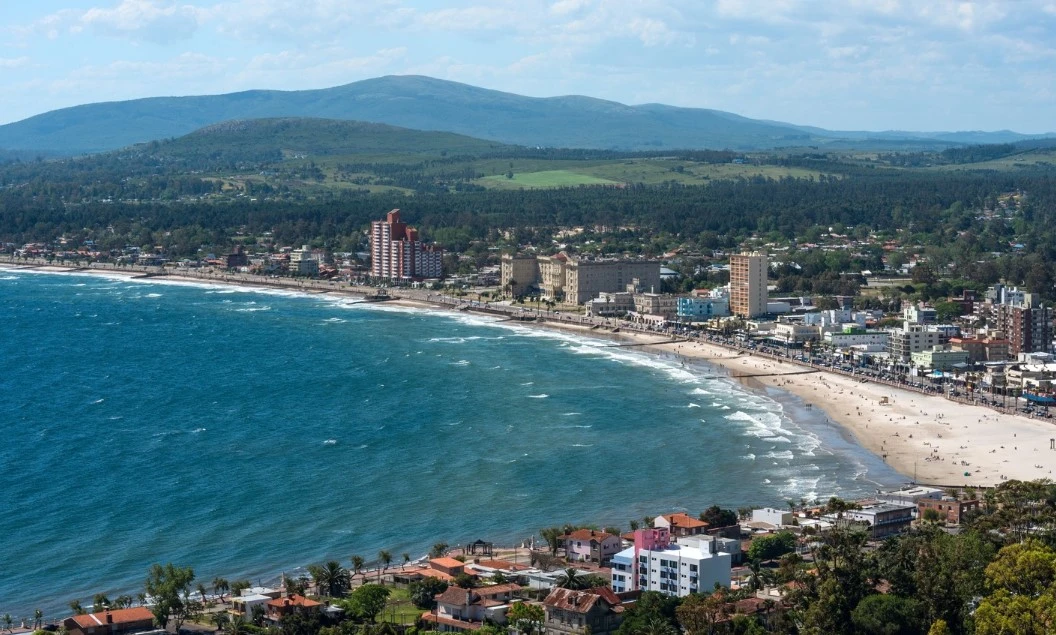
- Hundreds of kilometres of Atlantic beaches
- Mediterranean-like climate
- Clean environment and natural produce
- Reliable high-speed internet up to 900/200 Mbps
- Low taxes for remote workers
- Convenient time zone for US-based clients and employers — Uruguay runs just 1–2 hours ahead of US East Coast time
- World-class Uruguayan wine and steaks
- Open and welcoming people
- Clear and accessible path to residency and citizenship
- No discrimination based on nationality
Uruguay's distance from global conflicts is another reason Americans are drawn here. If you're looking to move your family somewhere predictable and politically stable — away from instability elsewhere — Uruguay offers exactly that kind of peaceful, low-drama environment to build a new life in.
Assistance with Obtaining Permanent Residency in Uruguay
We manage the entire relocation process for Americans — from an online consultation to obtaining permanent residency. With 10 years of experience, our process is fully optimized: remote appointment booking means you can receive your initial residency document within a month of arriving in Uruguay. We also help with renting accommodation, opening a bank account, enrolling children in school, buying a car, and other relocation matters. Over a hundred families have already obtained permanent residency and citizenship in Uruguay with our help.
Cost of Permanent Residency in Uruguay
Our service fee is $3,000 per person, or $2,500 per family member for families. Children under 16 receive a 50% discount. Additional expenses — document translation, notary services, government fees, and similar costs — aren't included in that fee and average around $500 per person, paid separately.
Required Documents for Permanent Residency in Uruguay
- US passport
- Apostilled birth certificate (for both adults and children)
- Apostilled marriage certificate
- Apostilled divorce certificate (if applicable)
- Apostilled criminal record certificate
- Proof of income
- Vaccination certificate
- Passport-size photos (3×4 cm)
- Medical certificate
- School records for children
Even if you only have your passport in hand, you can already start the residency process — you'll be issued a Cédula de Identidad valid for 2 years, equivalent to a temporary residence permit, with the option to submit your remaining documents within the first year.
For more details on document requirements, visit the official Dirección Nacional de Migración website.